
Home Water Testing: City, Well Water & Microplastics
Learn how to test city or well water, read results, and spot microplastics. The Wellness Quality Institute helps brands verify plastic-related claims.
Read articleProtect local water this August with 12 proven steps. The Wellness Quality Institute helps you cut plastic runoff and spot trustworthy claims.
Written by: Scott Steveson, Specialist
Where you wash your car directly affects how much pollution reaches nearby streams. Washing a car on a driveway or paved surface sends detergent, oil residue, tire particles, and road grime straight into storm drains, which usually flow untreated into local waterways. The Jordan River Commission’s #LoveYourWatershed initiative lists taking cars to eco-friendly car washes as one of five everyday actions that protect water quality for this reason.
Washing on the lawn instead lets soil and grass filter runoff before it reaches any drain. Commercial car washes route wastewater to treatment systems rather than storm sewers, which keeps more contaminants out of rivers and bays. Melbourne Water advises that if water is not rainwater, it does not belong in a stormwater drain. That rule applies to car-wash runoff carrying tire-rubber microplastics and petroleum residue. Tire rubber is among the most common microplastic types in U.S. freshwater sediments, according to 2026 Penn State analysis of Pennsylvania reservoirs and estuaries.
Daily pet-waste pickup keeps bacteria and microplastics out of creeks and groundwater. Pet waste left on lawns, sidewalks, or near storm drains washes into local waterways during rain, carrying bacteria, nutrients, and any microplastic particles the animal has shed or ingested. Austin Watershed Protection promotes scooping and trashing all pet waste as one of its four core National Water Quality Month actions, noting that harmful bacteria from pet waste enter creeks and aquifers directly through stormwater flow.
The same Jordan River Commission initiative also lists picking up pet waste as a core watershed-protection action. The plastic connection is indirect but real. Plastic-lined waste bags that tear, blow away, or end up in storm drains add to local plastic pollution. Choosing compostable or paper-based waste bags and placing them in sealed trash, never in storm drains, keeps both bacteria and plastic out of the water.
Choosing lawn products with little or no phosphorus reduces algae blooms in nearby lakes and rivers. Excess phosphorus from lawn fertilizers washes off driveways and turf during rain, then fuels algal growth and oxygen loss in local waterways. Justin Baker, associate professor of forestry and environmental resources at North Carolina State University, notes that fertilizer runoff drives algal blooms and oxygen depletion that damage aquatic life.
Phosphorus-free or low-phosphorus fertilizer works best where soil already contains enough phosphorus. A 2026 study in the Journal of Environmental Quality found that soils already high in phosphorus saturation release elevated dissolved phosphorus into surface water through runoff and drainage. Adding more fertilizer to saturated soil speeds that release. The City of Kalamazoo Protect Your Water program advises skipping fertilizer when rain is in the forecast, because fertilizers promote algae growth in waterways. A simple soil test from a local extension office shows whether your lawn actually needs phosphorus before you apply anything.
Taking leftover chemicals to collection events keeps them out of drinking water. Pouring paint, solvents, pesticides, or cleaning products down a drain or onto the ground sends them into the water system. The EPA states that improper disposal of household hazardous waste by pouring products down drains, on the ground, or into storm sewers can contaminate septic tanks and wastewater treatment systems. Americans generate about 1.6 million tons of hazardous household waste per year, and the average home can accumulate up to 100 pounds, according to the City of Kalamazoo Protect Your Water program.
Many municipalities host Household Hazardous Waste (HHW) collection events where residents can drop off chemicals, paints, pesticides, and similar materials for safe handling. Portsmouth, NH’s Department of Public Works, for example, hosted a 2026 HHW Collection Day that accepted yard chemicals, garage items, and household cleaning products. To find a similar event in your area, the EPA recommends searching “household hazardous waste” near your zip code in the Earth 911 database. Medications need separate handling. The DEA partners with pharmacies and law enforcement to host free Drug Take Back Days, with the next national event scheduled for October 24, 2026.
Capturing rain where it falls keeps polluted runoff out of storm drains. Rain barrels and rain gardens intercept stormwater before it picks up pollutants from roofs and pavement. University of Maryland Extension’s March 2026 fact sheet FS-2025-0769 explains that rain barrels reduce rooftop runoff volume, which lowers the amount of nutrients, sediment, and other contaminants flowing into streams and rivers. A single barrel has a small effect, but many households using them together can make a noticeable difference.
Rain gardens, which are shallow planted areas that collect and filter runoff, can handle larger volumes. A 2026 study in Frontiers in Environmental Science monitored a rain garden at the Royal Botanic Garden Edinburgh and found that it retained runoff with no overflow during the study period, even in heavy storms. That level of retention translates into measurable pollution cuts. A 2026 USGS report on a bioretention system in Milwaukee found it reduced runoff volume by 86% and peak discharge by 92%, showing that water captured in these systems stays out of storm drains. Austin Watershed Protection promotes rain gardens and cisterns through its Grow Green program as a key National Water Quality Month action.
Neighborhood cleanups remove plastic and trash before they reach the water. Litter that reaches storm drains travels directly to local waterways. The City of Santa Clara notes that pollution prevention starts at residents’ front doors because trash moves through storm drains, creeks, and rivers to become bay pollution that harms wildlife. Community cleanups interrupt that path by collecting debris on streets, sidewalks, and shorelines.
Organized events run across the country throughout August and beyond. The Hutchinson River Restoration Project hosted a National Water Quality Month shoreline-and-street cleanup on August 16, 2026 in the Bronx and Westchester areas. Town Run Watershed runs monthly stream cleanups from June through October. EarthEcho International’s 2026 World Water Day Wave of Action removed 183.77 kilograms of litter and restored more than 12,000 square meters of native habitat across U.S. community projects. To find or register a local event, search your city or county parks or watershed-protection department, or check platforms such as Earth911 and VolunteerMatch.
Reading labels with a critical eye helps you avoid misleading plastic claims. Consumer products now carry phrases such as “plastic-free,” “microplastic-free,” or “BPA-free.” These terms often mean less than shoppers assume. “BPA-free” can mean BPA was not intentionally added, not that it is completely absent, and not that the container is free of other bisphenols or plasticizers.
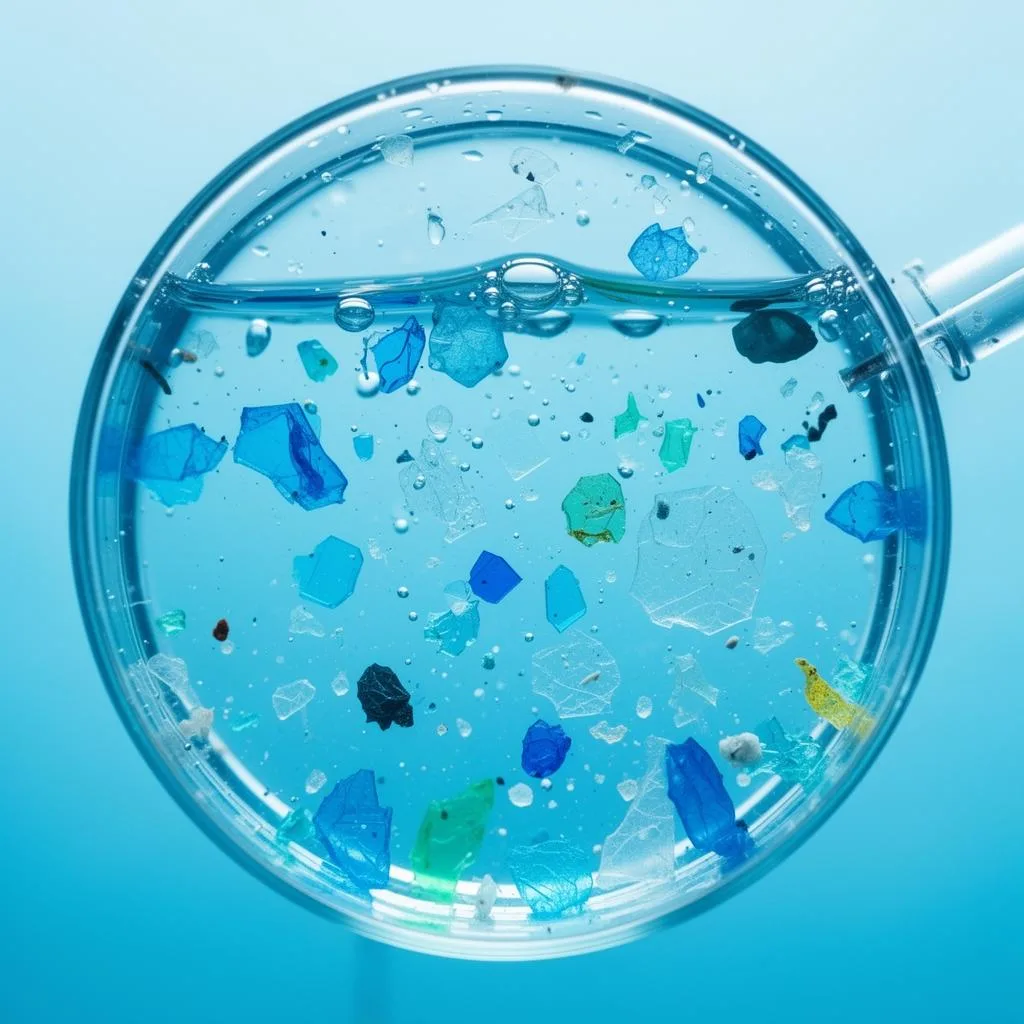
Absolute “plastic-free” claims go beyond what current lab tools can prove. The WHO’s 2019 assessment of microplastics in drinking water reflects the broader scientific position that detection methods have real limits. A report stating “no microplastics detected” means none were found above that instrument’s detection floor, for the polymers it screened, in the batch it tested. It does not guarantee that no particles are present. A 2018 study led by Sherri Mason at SUNY Fredonia, published in Frontiers in Chemistry, found microplastics in 93% of 259 bottled water samples across eleven brands, with polypropylene, the plastic used in many bottle caps, as the most common polymer. When reading labels, look for claims tied to a specific reviewed scope, a named standard, and a public registry entry that you can independently check, rather than broad absolute promises.
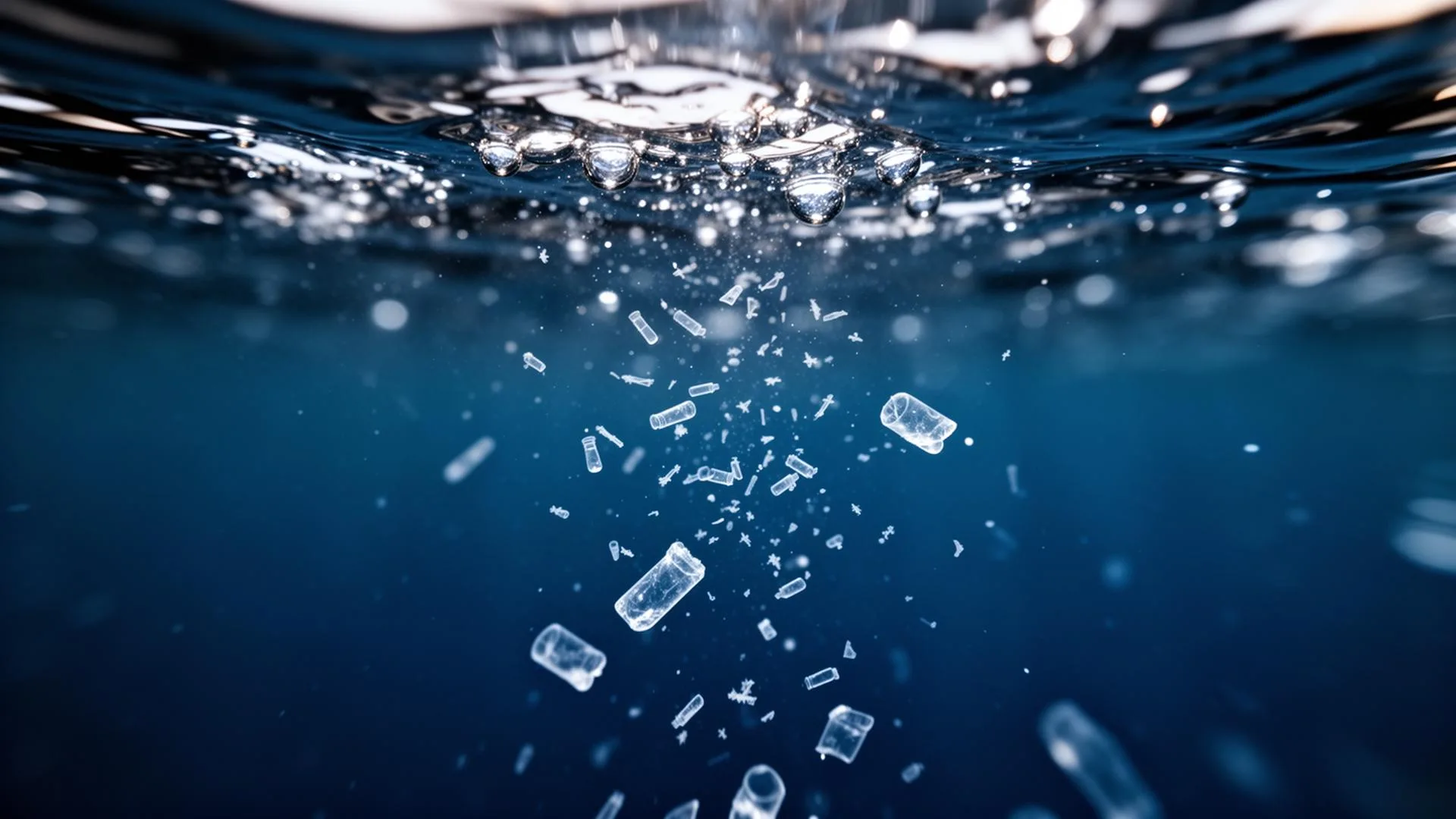
Switching from plastic to glass or stainless steel for hot drinks and long storage cuts microplastic exposure. Heat and time both speed up the release of microplastic particles and chemical additives from plastic containers into food and beverages. Duke University toxicologist Melissa Chernick and colleague Nishad Jayasundara advise avoiding plastic bottles left in a hot car or in the sun and switching to reusable metal or glass bottles. They also recommend replacing plastic food storage containers with glass or metal options.
Heating food in plastic containers increases the release of microplastic particles and chemicals into food, especially in microwaves or ovens, even when the plastic is labeled microwave-safe. A 2021 study in the Journal of Hazardous Materials found that pouring hot liquid into a single disposable plastic-lined cup released about 25,000 microplastic particles per 100 milliliters within 15 minutes. Choosing glass, ceramic, or stainless steel for hot beverages, food storage, and reheating reduces this household source and cuts the plastic waste that can later reach local water.
Changing how you wash synthetic clothes reduces microfiber pollution. Synthetic textiles such as polyester, nylon, acrylic, and elastane shed microfibers during every wash cycle. Synthetic textiles account for an estimated 16–35% of microplastics released to oceans globally, with fibers released during both wear and washing. A single load of synthetic laundry can release millions of microfibers into wastewater.
Several simple steps cut this shedding. Using a microfiber-catching laundry bag such as the Guppyfriend, washing synthetics in cold water on a gentle cycle, using liquid detergent, and limiting loads to about three-quarters capacity can meaningfully reduce fiber release. Health Canon’s 2026 guide also recommends washing full loads, avoiding aggressive cycles, and air-drying when possible. Over time, choosing clothing made from natural fibers such as cotton, linen, hemp, and wool lowers the synthetic fiber load in household laundry.
Backing local packaging policies tackles plastic pollution at its source. The actions covered so far, from laundry filters to rain barrels, reduce plastic at the household level. Individual efforts, however, only address the plastic that reaches homes. Global plastics production roughly doubled from 234 million tonnes in 2000 to about 460 million tonnes in 2019, according to the OECD’s Global Plastics Outlook, and is projected to rise another 70% by 2040 on current paths. The United States generates large amounts of plastic waste each year, with a domestic recycling rate of roughly 5% to 6%.
Local and state policies such as extended producer responsibility programs, packaging reduction rules, and single-use plastic restrictions address that upstream flow. Contacting local representatives, attending city council meetings, and supporting organizations that advocate for packaging policy are concrete ways to complement household changes. Youth-led advocacy during EarthEcho’s 2026 World Water Day events produced 30 letters to lawmakers calling for stronger water protections, offering a model any community can adapt.
Checking a public registry before you repeat a claim helps separate solid evidence from marketing. When a brand makes a plastic-reduction claim on packaging or in marketing, that claim is only as strong as the evidence behind it, and the evidence is only as strong as the review process. That is why self-reported data carries less weight. A company’s own laboratory results, however rigorous, are still self-reported, so the brand is grading its own homework and the market treats it that way.
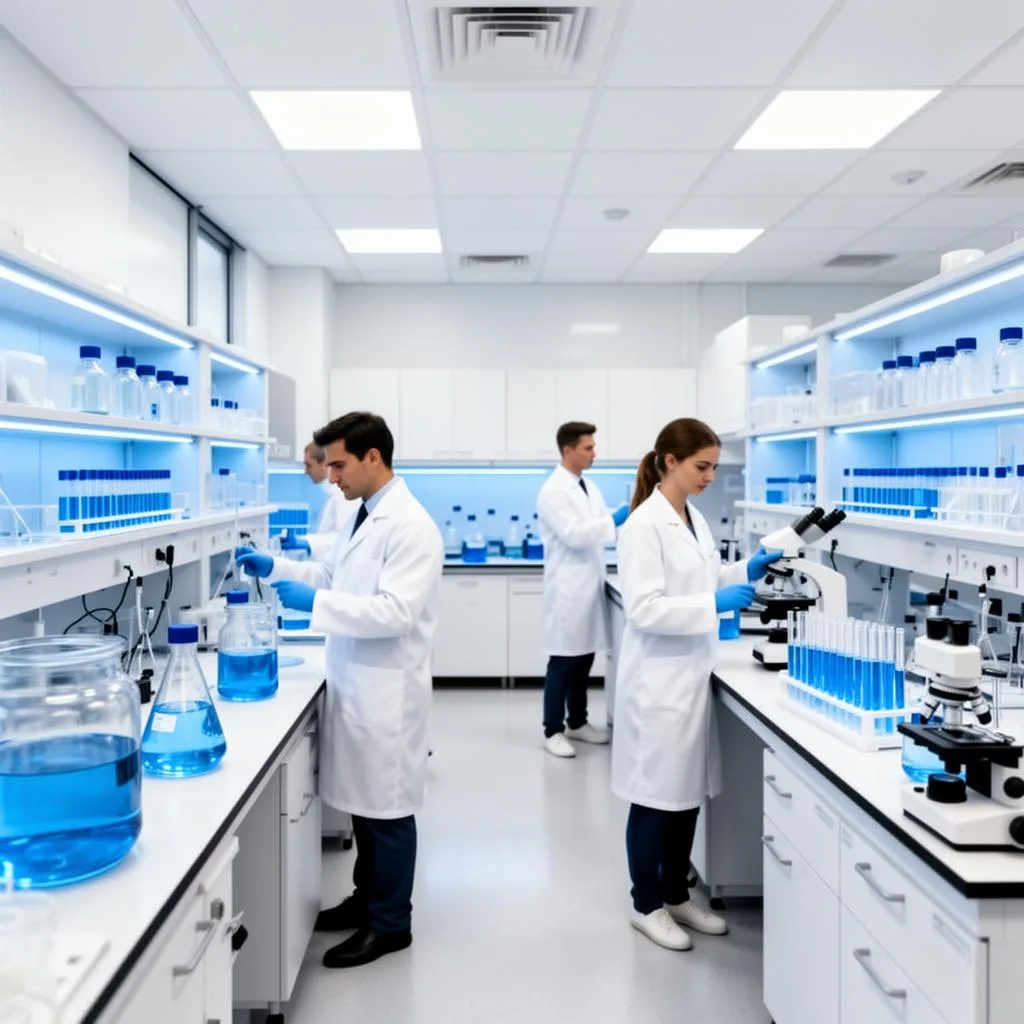
Independent verification changes that dynamic by adding outside review. When a brand’s lab data has been checked by a third party against a defined standard and the result appears in a public registry with a clear scope, tested particle-size range, polymer panel, and production period, anyone can see what was reviewed and what the data supports. Before repeating or acting on a plastic-related claim, look for a public registry entry that spells out what was tested and reviewed, not just a logo or vague statement. Claims that cannot be traced to a checkable, independently reviewed record deserve the same skepticism as any other unsubstantiated marketing line.
Reviewing your choices once a year keeps your habits aligned with current science. The science of microplastics is moving quickly, and practical guidance shifts as new studies appear. The WHO’s 2019 assessment found no indication of health risk at current levels in drinking water on the limited evidence available and stressed that the conclusion rests on incomplete information and that more research is urgently needed. As that assessment shows, incomplete science is a reason to stay informed, not a reason for panic.
Sediment core analysis from Pennsylvania reservoirs shows a small but measurable decrease in microplastic concentrations in layers dated to the 2000s, potentially reflecting improved recycling and public awareness. Those findings suggest that collective action can register in long-term data. Revisiting household choices annually, checking whether filter technology has improved, whether a preferred brand’s verification is current, and whether new guidance has emerged from credible institutions, keeps decisions grounded in the best available evidence. Verification programs are time-bounded for this reason, because a result reflects the production period it came from, not a permanent state.
Independent review turns raw lab data into a claim you can rely on. A laboratory report that says “no microplastics detected” is limited by that instrument’s detection floor. It means none found above a certain particle size, using a specific method, on a specific production lot. Without independent review of the method, controls, tested polymer panel, and reporting limits, neither a brand nor a consumer can know what the result truly supports.
Independent review converts a laboratory dataset into a defensible position. That review checks whether the analytical method fits the product, whether blank controls ruled out contamination, whether the tested particle-size range is appropriate, and what claim the data can honestly carry. The Wellness Quality Institute, formally introduced here as the Wellness Quality Institute, offers this service through its WQI Plastic-Free Pathway Verification program, which is an independent review of a company’s existing third-party lab data against a defined standard. Products that meet the standard receive approved claim language, a scope-locked logo license, and a public registry listing that explains exactly what was reviewed. Products that do not meet the standard receive a private outcome and may resubmit with updated data.
The key distinction is that verification confirms a company is on a verified pathway toward plastic-free standards, based on reviewed evidence. Verification does not certify that a product contains zero plastic, because no current laboratory methods can prove that. That honesty about limits is what makes a verified claim worth trusting.
Brands that hold laboratory data on plastic or microplastic content and want to turn that data into a claim they can stand behind can benefit from independent review. To see how that process works in practice, and to learn more about removing plastic from your body and planet or getting a plastic-free certification for your company, visit the Wellness Quality Institute.
National Water Quality Month takes place every August in the United States and encourages households, communities, and businesses to take concrete steps toward cleaner local water. In 2026, plastic pollution, including microplastics smaller than 5 millimeters that form as larger items break down, has become a central focus because research has documented these particles in freshwater sediments, tap water, bottled water, and human tissue. The United States generates substantial plastic waste each year, with a domestic recycling rate of roughly 5% to 6%, so much of that plastic eventually enters the environment. August offers a clear moment to connect everyday choices, from laundry habits to chemical disposal, with measurable improvements in local water quality.
Current science does not give a simple yes or no answer, and anyone claiming certainty goes beyond the evidence. Microplastics have been detected in tap water, bottled water, and human tissue, including blood, stool, and placenta. Laboratory and animal studies point to possible concerns, with oxidative stress and systemic inflammation appearing often in the research. Certain chemical additives used in plastics, such as phthalates and bisphenols, are well-established endocrine disruptors, meaning they can interfere with hormone systems, and this area of research is more mature than the study of the particles themselves. The World Health Organization’s 2019 assessment of microplastics in drinking water found no indication of health risk at current levels on the limited evidence available and stressed that the conclusion rests on incomplete information and that more research is urgently needed. The practical takeaway is that this issue deserves attention and reasonable steps to reduce exposure, without alarm.
Independent review is the most important signal that a claim deserves trust. A company that publishes only its own lab results is grading its own homework. The data may be real and carefully collected, but without a third party reviewing the method, controls, tested particle-size range, and what the result supports, neither the brand nor the consumer can know what the claim means. Look for claims tied to a specific, independently reviewed scope, including a named standard, a defined tested range, a polymer panel, and a public registry entry that lists the product and production period. Claims that cannot be traced to a checkable, independently reviewed record carry less weight than those that can. The Wellness Quality Institute provides this kind of independent review for U.S. companies and produces a public registry listing that any consumer, retailer, or journalist can verify.
Several household actions target the largest sources directly. Washing synthetic clothing on a gentle cycle with a microfiber filter bag reduces fiber shedding, which accounts for a significant share of microplastics in waterways. Switching from single-use plastic to glass or stainless steel for hot or long-stored liquids reduces both microplastic particle release and plastic waste. Disposing of household chemicals, medications, and paint at designated collection events, rather than down drains or into storm sewers, prevents chemical and plastic-additive contamination of water systems. Installing a rain barrel or rain garden intercepts stormwater before it picks up pollutants from paved surfaces. Picking up pet waste and washing cars on grass or at a commercial facility both prevent direct runoff into storm drains. No single action eliminates exposure, because plastics are widespread in the environment, but each step reduces a clear, identifiable source.
The phrase “Plastic-Free Pathway Verified” is designed to match what current science can support. “Plastic-Free” describes the direction a company is moving toward, not a state the product has fully reached. “Pathway” signals progress along a route rather than arrival at a final destination. “Verified” describes what the Wellness Quality Institute did by independently reviewing a company’s lab dataset against a defined standard. Read together, the mark means that a company’s lab data has been independently reviewed against clear criteria and that the data supports real progress toward plastic-free production. It does not mean the product contains zero plastic, because current analytical methods have detection floors and no single test covers every polymer type or production lot. The difference between a verified pathway and an absolute plastic-free claim is not a technical detail. It is the difference between a claim a company can defend and one that cannot withstand scrutiny.
Water Quality

Learn how to test city or well water, read results, and spot microplastics. The Wellness Quality Institute helps brands verify plastic-related claims.
Read article
The Wellness Quality Institute explains California's microplastics rules—MCLs, notification levels & basin plans—to keep your claims defensible.
Read article
The Wellness Quality Institute helps brands verify water quality claims with independent testing. Build consumer trust with solid evidence. Start now.
Read article